Entry · Ref DAJBAHYL
Eliminating Black Lichen from Bondi Outdoor Patio Pavers
- Posted
- 2026-11-20
- Last amended
- 2026-11-20
- Account
- @louisfhdv500
Bondi's coastal climate is a pleasure for outdoor living, but it is also ideal for lichen, moss, algae and mould. Salt-laden sea air, morning dew, shaded courtyards and the humidity that follows summer storms all create conditions where dark growth settles on pavers. If your patio is developing black, grey or charcoal patches that seem to resist a quick sweep, you are likely dealing with black lichen. This guide explains what it is, why it thrives in Bondi, and how to remove it safely and keep it from coming back.

What Is Black Lichen, and Why Does It Appear on Pavers?
Lichen is not a single organism. It is a symbiotic partnership between a fungus and an alga or cyanobacterium. The fungal partner anchors itself to the surface, while the algal partner produces energy through photosynthesis. This combination makes lichen remarkably resilient, and it can survive long dry spells, then revive when moisture returns.
On pavers, black lichen typically appears as flat, crusty or powdery dark patches that seem to be part of the surface. Unlike loose surface dirt, it grips into the pores of concrete, sandstone, travertine, limestone and clay pavers. Many homeowners mistake it for ordinary grime, but it behaves differently: it returns quickly if only the visible layer is removed.
Why Bondi Properties Are Prone to It
- Coastal moisture and sea spray: Persistent humidity and salt in the air keep porous surfaces damp for longer.
- Shaded courtyards and terraces: Narrow lots, tall fences, apartment walls and dense plantings reduce sunlight and slow drying.
- Porous paving materials: Sandstone and unsealed concrete absorb moisture and provide texture where spores can lodge.
- Poor drainage: Pavers with low spots or blocked drains hold water, encouraging growth.
- Organic debris: Leaves, pollen and dust from nearby trees feed algae and lichen.
Identify the Problem Before You Treat It
Different growths need slightly different approaches. Before choosing a treatment, check what you are dealing with:

- Algae: Slimy, green or black film that is slippery when wet and usually wipes off with a stiff brush.
- Moss: Soft, green, cushion-like growth, often along joints and edges.
- Mould and mildew: Black or grey speckling, often in damp shaded corners, with a musty smell.
- Lichen: Dry-looking, crusty or flaky patches that are firmly attached and do not scrub away easily.
It is common for a Bondi patio to have a combination of all four, which is why a thorough clean usually involves both a biocide treatment and careful washing.
Step-by-Step: Removing Black Lichen from Pavers
1. Prepare the Area
Clear furniture, pots and mats. Sweep away loose debris and leaf litter. Wet down adjacent plants and lawn so they are less likely to absorb any treatment that drifts. Check the weather: aim for a mild, dry day with little wind, ideally with no rain forecast for at least 24 hours after treatment.
2. Apply a Suitable Treatment
Lichen is stubborn because it is biologically anchored to the surface, so killing it is more effective than simply blasting it. Common options include:
- Sodium hypochlorite (diluted pool-grade chlorine or cleaning bleach): Effective on dark growth on hard, non-delicate surfaces, but it can discolour some stone, harm plants and damage grout if overused.
- Quaternary ammonium compound (benzalkonium chloride) based treatments: Sold as outdoor mould and algae killers. They are widely used for lichen and moss, tend to be gentler on surfaces and often work slowly over days or weeks.
- Oxygen-based cleaners (sodium percarbonate): A lower-impact option for light infestations and sensitive stone, though less effective on heavy lichen.
- Specialist lichen removers: Products designed for stone and masonry that are labelled for lichen specifically.
Always follow the manufacturer's dilution rates, wear gloves, eye protection and suitable footwear, and test a small hidden area first. Never mix bleach with ammonia-based products or acids, because this can release toxic gases.
3. Allow Dwell Time
Let the product sit for the time recommended on the label, keeping the surface damp if instructed. Rushing this step is one of the most common reasons lichen reappears.
4. Agitate and Rinse
Scrub with a stiff nylon-bristle brush, particularly on textured or rough pavers. Rinse thoroughly with clean water. Avoid wire brushes, which can scratch the surface and leave metal particles that rust.
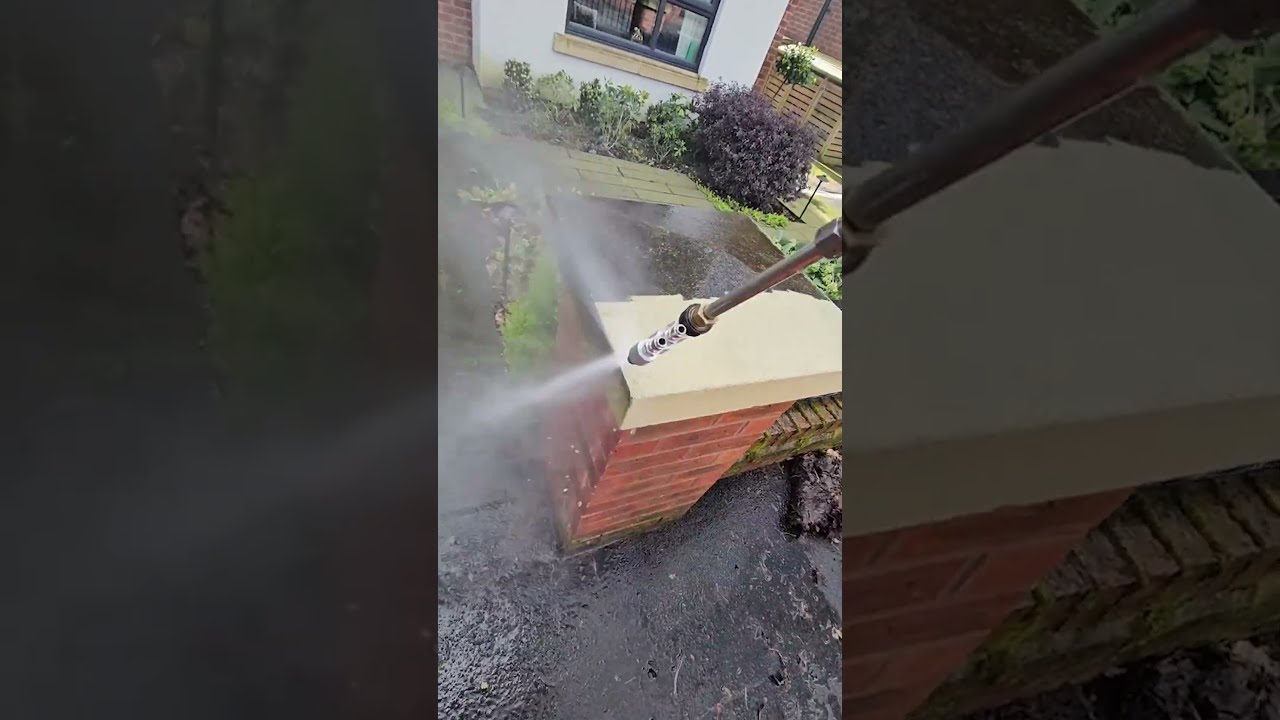
5. Use Pressure Washing With Care
A pressure washer can remove dead lichen quickly, but excessive pressure causes real damage. Too much force can etch the surface, wash out joint sand, expose aggregate and leave a patchy, lighter finish.
- Use a wide fan tip (25 to 40 degrees) rather than a narrow jet.
- Keep the nozzle at a consistent distance, often 20 to 30 centimetres from the surface.
- Use lower pressure on sandstone, limestone and older pavers, which are softer and more easily damaged.
- Work in even, overlapping passes to avoid striping.
Treating Different Paver Types
Sandstone and Limestone
These natural stones are porous and sensitive to acids and strong chemicals. Use gentle, pH-neutral or specialist stone cleaners and low-pressure rinsing. Avoid acid washes, which can etch the surface and remove the natural finish.
Concrete Pavers
Concrete tolerates stronger treatments and moderate pressure, but repeated harsh cleaning can wear the surface layer over time. Allow it to dry fully before sealing.
Travertine and Porcelain
Travertine has natural holes and pits that trap moisture and spores, so cleaning should be gentle but thorough. Porcelain pavers are far less porous and resist lichen better, though growth https://pressurecleaningbondi.com.au/house-washing/ can still occur in textured finishes and grout lines.
Clay and Brick Pavers
Clay pavers handle most cleaners well, but older or soft-fired bricks can be damaged by high pressure, which may strip the face of the brick.
Protecting Plants, Pets and the Surrounding Environment
Bondi's proximity to the ocean and stormwater system makes responsible cleaning important. Runoff from cleaning products can flow into drains that lead directly to the coast, so take care to limit environmental impact.
- Prevent runoff from entering stormwater drains where possible, for example by using drain covers or capturing wastewater.
- Choose biodegradable, low-toxicity products where they will do the job.
- Keep pets and children off treated areas until fully rinsed and dry.
- Rinse nearby plants with fresh water before and after treatment.
Apartment and strata properties may also have rules about water use, cleaning chemicals and noise from pressure washers, so check building by-laws before starting. Local council guidelines on stormwater and water restrictions also apply in Sydney, so confirm current requirements.
Sealing Pavers to Slow Regrowth
Once pavers are clean and completely dry, sealing can reduce how much moisture and dirt they absorb. A quality penetrating or impregnating sealer can make future cleaning easier and slow regrowth, particularly on porous sandstone and concrete.
- Choose a breathable sealer so trapped moisture can escape.
- Match the sealer to your paver type, as some finishes darken or add gloss.
- Test a small area first.
- Follow the cure times and reapply as recommended, often every few years depending on exposure and foot traffic.
Sealing is not a substitute for cleaning. It reduces the surface's ability to hold moisture, but shaded, damp areas can still grow lichen and algae over time.
Preventing Black Lichen from Returning
Prevention is mostly about reducing moisture, increasing light and keeping surfaces clean. Several practical changes can help:
- Improve drainage: Clear drains, fix low spots and ensure pavers fall away from buildings.
- Trim vegetation: Prune overhanging branches and thin dense plantings to increase sunlight and airflow.
- Sweep regularly: Remove leaves, flower debris and soil before they break down and feed growth.
- Rinse salt residue: In exposed spots, an occasional fresh-water rinse reduces salt build-up.
- Apply a preventive treatment: Maintenance-grade algae and mould inhibitors can be applied once or twice a year in shaded zones.
- Check joint sand: Replace worn polymeric or kiln-dried sand so moisture and spores have fewer places to settle.
When to Call a Professional
DIY cleaning suits many small patios, but professional help may be worthwhile if:
- The infestation covers a large area or has returned repeatedly.
- Your pavers are expensive natural stone, such as limestone or travertine.
- You live in an apartment with strict water and chemical rules.
- The surface is steep, slippery or elevated, such as a rooftop terrace.
- You are unsure which product is safe for your pavers.
Professional cleaners use commercial-grade equipment, calibrated pressure settings and treatments matched to specific materials, and they can often recommend sealing and maintenance schedules suited to Bondi's conditions.
Safety Considerations
Wet lichen and algae are slippery, so take care on stairs and sloped paving. Wear non-slip footwear, gloves and eye protection, and ventilate enclosed courtyards when using chemical cleaners. Store products out of reach of children and pets, and never decant chemicals into unlabelled food or drink containers.
Key Takeaways
Black lichen on Bondi pavers is a persistent, moisture-driven problem, but it is manageable. Successful removal comes down to correctly identifying the growth, using a suitable treatment with adequate dwell time, cleaning at appropriate pressure, and protecting surrounding plants and waterways. Long-term results depend on better drainage, more sunlight, regular sweeping and, where suitable, sealing. With a consistent maintenance routine through 2026 and beyond, your patio can stay clean, safe and attractive despite the coastal conditions.
Bondi Pressure Cleaning
(02) 8550 5711